Running on Empty No More: What Participation Data Reveals About Adelaide's Endurance Sport Boom
Rising numbers across cycling, running and triathlon show how South Australia's capital is reshaping its fitness identity.
Rising numbers across cycling, running and triathlon show how South Australia's capital is reshaping its fitness identity.
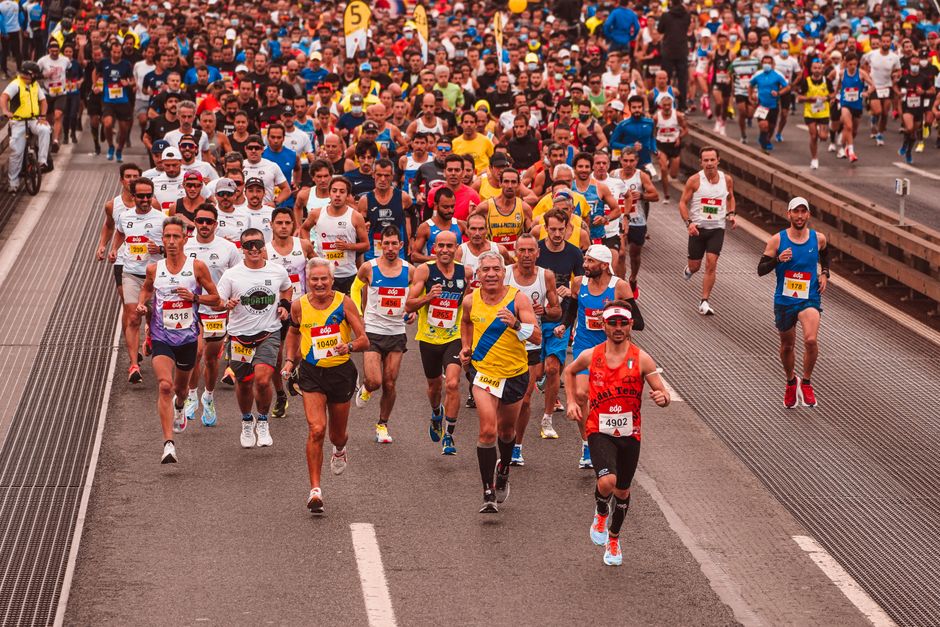
Adelaide's endurance sport community has undergone a quiet transformation over the past five years, and the numbers tell a compelling story about how locals are redefining their relationship with fitness and outdoor activity.
Recent participation data from South Australian sporting bodies paints a picture of sustained growth. Running club memberships across metropolitan Adelaide have increased by approximately 22 per cent since 2021, with organisations operating from Parklands to Glenelg reporting waiting lists for beginner programs. Cycling participation has similarly surged, particularly among women aged 25–45, with bike share usage in the city centre up 40 per cent year-on-year. Triathlon entries—once a niche pursuit—have doubled, suggesting the sport is shedding its elite image.
What's driving this shift? Data suggests several factors converge. First, accessibility: entry-level cycling and running require minimal infrastructure investment compared to team sports. A pair of running shoes costs less than winter team-sport equipment, and Adelaide's network of trails—from the Torrens Linear Park to the Belair National Park loop—provides free, high-quality terrain. Second, the wellness narrative has penetrated Adelaide's mainstream culture. Endurance training aligns neatly with broader health messaging about cardiovascular fitness and mental wellbeing in ways that resonate post-pandemic.
Local venues have capitalised on this momentum. Running stores along Rundle Street and Hutt Street report that shoe fitting consultations—once quiet afternoons—are now booked weeks ahead. Triathlon coaching collectives operating from North Adelaide and Unley have expanded their class schedules. Cycling clubs in the inner suburbs have had to secure larger meeting spaces.
Demographic data adds nuance. Participation among those aged 35–50 has grown fastest, particularly among professionals from the CBD and inner eastern suburbs. Meanwhile, younger participants (18–25) show more sporadic engagement, often cycling or running casually rather than joining formal clubs. This suggests Adelaide's endurance culture is becoming less age-exclusive but more structured among established adults.
The economic footprint is notable too. Local running events—the Blackmore's Sydney Half Marathon aside, Adelaide's own autumn and spring racing calendars—attract thousands of participants annually, generating estimated revenue in the millions for local hospitality and retail. Equipment purchases, coaching fees, and race entries circulate money through South Australian businesses.
What the data ultimately reveals is that Adelaide's endurance sport boom is neither fad nor fringe. It reflects deeper cultural shifts toward accessible, affordable, solo-yet-social activity. As these participation trends stabilise at higher levels, the city's fitness infrastructure—trails, clubs, coaches, retailers—continues adapting. For a city rebuilding its sporting identity beyond traditional team codes, that's a significant statement.
This article was compiled by AI from the sources linked above and screened before publishing. See our editorial standards.
Spread the word
About this article
Published by The Daily Adelaide
Your take
Daily brief
Free, in your inbox before 7am. Weekdays.
More from Adelaide
Sport
Sport
Sport