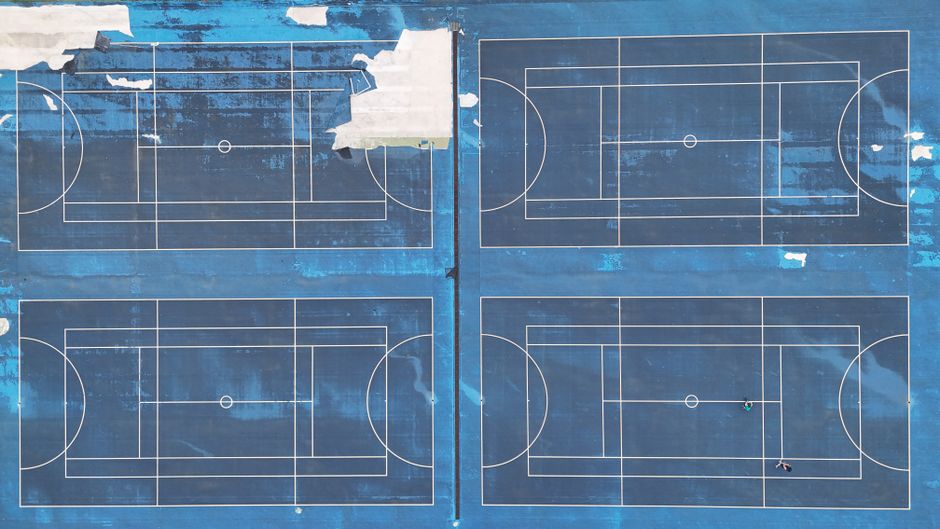
Walk past Wauwi Reserve on a Saturday morning in Adelaide's inner-north, and you'll witness the heartbeat of the city's grassroots sport movement. Dozens of junior teams occupy the multipurpose ovals, with young footballers, cricketers and netballers making full use of facilities that have become critical infrastructure for youth development across the metropolitan area.
Yet beneath this vibrant scene lies a complex challenge facing Adelaide's sporting community: ensuring that quality facilities remain accessible and adequately maintained as participation demands grow.
The Adelaide Suburban Districts Junior Sports Association oversees hundreds of young athletes across multiple codes, many of whom depend on council-managed grounds and club-owned venues. Major hubs including Marryatville Oval, Glenunga International High School's sports precinct, and facilities along the Torrens Linear Park corridor form the backbone of junior competition infrastructure. But according to recent usage data, these venues operate at near-capacity during peak seasons, with some clubs reporting waitlists for junior programs.
"Grassroots infrastructure isn't just about grass and goalposts," says one long-serving junior club administrator from the Norwood-Payneham district. "It's about changerooms, lighting for winter training, adequate car parking, and safe spectator areas. When families are choosing whether to commit time and money to a sport, these fundamentals matter."
Investment patterns tell an interesting story. The Adelaide City Council's 2024-25 budget allocated approximately $12 million toward sports facility upgrades across multiple suburbs. Recent projects include new floodlighting installations at Crafers Reserve and upgraded pavilions at facilities throughout the foothills regions. However, aging infrastructure in some outer suburbs—particularly around Salisbury and Modbury—remains a concern for clubs operating with volunteer-dependent management structures.
Private sporting clubs have increasingly stepped in to fill gaps. Venues like those operated by established netball and hockey associations have invested significantly in synthetic surfaces and modern changeroom facilities, though access fees can restrict participation among families experiencing financial hardship.
The conversation around grassroots infrastructure extends beyond the physical. Digital booking systems for reserve access, online registration platforms, and even virtual coaching resources have become part of the support ecosystem for young athletes across Adelaide.
As the city continues to grow, planning authorities face mounting pressure to ensure facility development keeps pace with population expansion. The question facing Adelaide's sport community is whether current infrastructure investment strategies will adequately support the next generation of athletes, or whether grassroots programs will face capacity constraints that could limit youth participation across the board.
This article was compiled by AI from the sources linked above and screened before publishing. See our editorial standards.