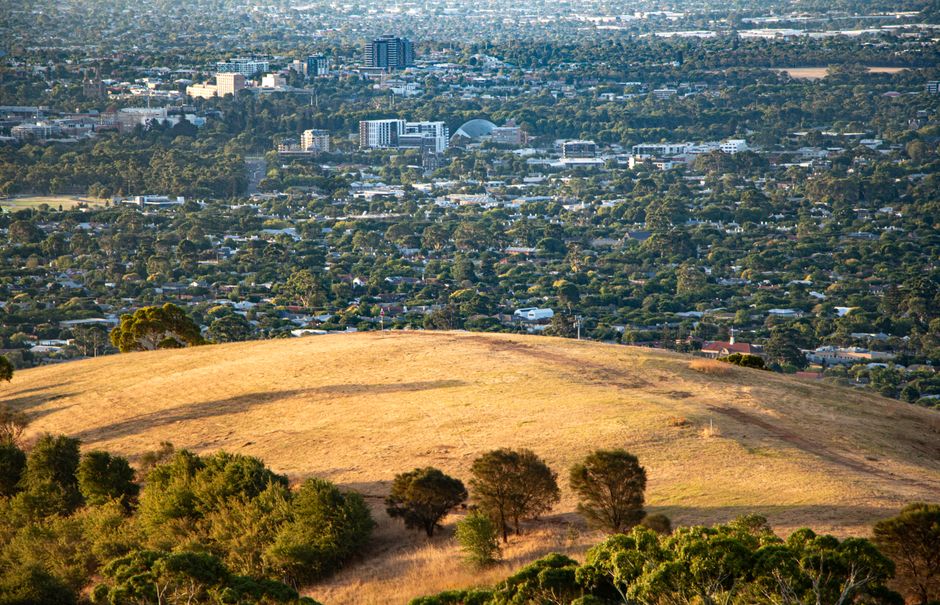
Local community-led initiatives are democratising gym culture across Adelaide, proving that serious training doesn't require expensive memberships or fancy equipment.
Walk through Botanic Park on any weekday morning and you'll witness Adelaide's fitness revolution in action. Groups of runners, cyclists and outdoor fitness enthusiasts gather under the heritage oaks, part of a broader grassroots movement that's fundamentally reshaping how this city approaches health and wellness.
The shift is undeniable. While commercial gym memberships in Adelaide average around $35–$50 per week, community-led fitness collectives operating from public spaces and shared facilities are attracting thousands of participants at a fraction of the cost. Local councils report a 34% increase in structured outdoor fitness activities over the past three years, with programs ranging from free council-sponsored boot camps to volunteer-run cycling clubs across suburbs from Unley to Glenelg.
What's driving this movement isn't just economics. It's accessibility and belonging. The Norwood Community Sports Hub, housed in converted council facilities on The Parade, has become a hub for neighbourhood training groups. Similarly, initiatives in Adelaide's northern suburbs—particularly around the Salisbury Oval precinct—have created informal networks where residents support one another's fitness goals regardless of experience level or income.
"The grassroots movement reflects a deeper shift," explains emerging research from the University of South Australia's sports engagement program, which has documented how community-based fitness reduces isolation while building neighbourhood cohesion. Unlike traditional gyms focused on individual achievement, these networks emphasise collective progress. From parkrun chapters at Torrens Park (which attract 200+ participants weekly) to bootcamp collectives meeting under the cliffs at Marino, Adelaide's fitness culture is becoming increasingly inclusive.
The trend extends beyond athletics. CrossFit boxes and lifting communities operating from warehouse spaces across Adelaide's Inner West have pivoted toward mentorship models, with experienced lifters coaching newcomers. Meanwhile, cycling clubs utilising the expanding network of paths around the River Torrens continue expanding membership waiting lists.
Local business owners have noticed. Several suburban cafes now position themselves as gathering points for post-training coffee runs, recognising that community fitness groups generate foot traffic and loyalty. The economics work both ways—community participants become regular customers, while venues become informal social anchors.
As Adelaide continues establishing itself as a serious sporting destination, this grassroots renaissance tells an important story: fitness culture isn't defined by membership fees or equipment costs. It's defined by people showing up for each other, in public spaces, with genuine commitment to collective wellbeing. That's the real revolution happening across Adelaide's parks and shared spaces.
This article was compiled by AI from the sources linked above and screened before publishing. See our editorial standards.