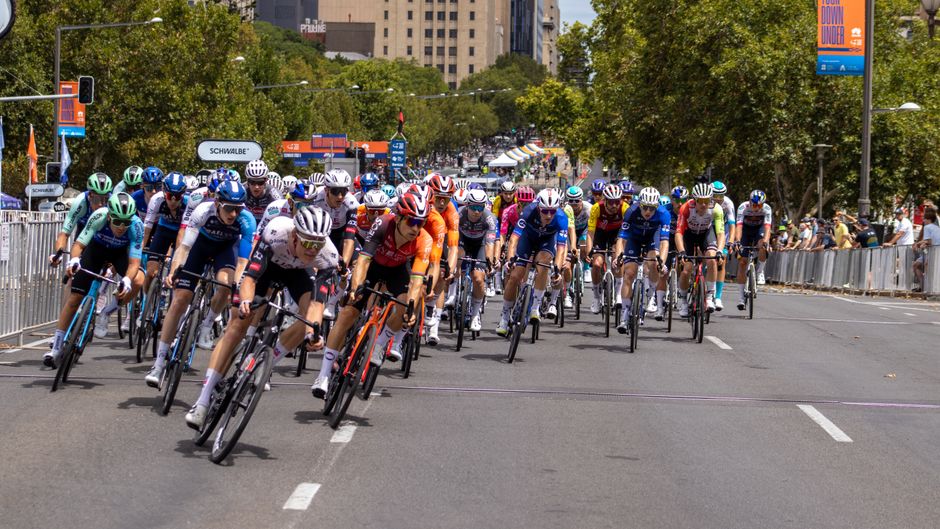
As winter training wraps, elite runners, cyclists and triathletes converge on South Australia's most demanding courses—with the state titles looming large and national qualification stakes higher than ever.
Adelaide's endurance sport community is entering its most competitive phase of the calendar year. With the South Australian Triathlon Championships set for late August and the State Road Cycling Finals scheduled for September, the next two months will define which athletes claim bragging rights and secure their pathway to national representation.
The triathlon calendar centres on two flagship events. The inaugural Adelaide Twilight Sprint Series—launching at Henley Beach in mid-July—offers a lower-barrier entry point for age-group competitors, with heats starting at 4:30 p.m. to dodge the summer heat. However, the real test arrives with the Olympic Distance State Championships at Port Elliot, where defending champions across the men's and women's elite categories face a field bolstered by fresh talent from interstate.
"The Port Elliot course is brutal," notes local triathlon director feedback, citing the 1.5-kilometre swim in often choppy conditions, followed by a 40-kilometre bike leg that climbs toward Goolwa before the 10-kilometre run along the Strand. Course fees have risen to $185 this season—a 12 per cent increase from 2025—reflecting heightened insurance and race management costs.
Running enthusiasts will concentrate on the Adelaide Marathon Festival (August 16), held traditionally through the parklands and along the Torrens, as well as the King William Road Time Trials series every Thursday evening through July and August. These shorter, high-intensity formats serve as crucial speed-work opportunities before longer efforts.
Cycling's focus sharpens considerably. The Southern Cross Cycling Club and Cyclefit Racing Club have ramped training intensity, with Netherby Park and the Adelaide Hills emerging as key preparation zones. The State Road Race Finals—likely routed through the Barossa or Mid-Murray region—will determine elite and junior category winners. Entry-level cyclists often use the Adelaide Cycling Festival (late July) as their competitive launching pad, with road, mountain bike and gravel categories drawing over 800 participants annually.
What distinguishes this season is the emphasis on national qualifying windows. Australian age-group triathlon standards tighten yearly; strong performances at Port Elliot can secure positions at the National Championships in Mooloolaba. Similarly, cycling's national road series relies heavily on state-level results to identify emerging talent.
For casual endurance athletes, the window to build fitness and test equipment narrows rapidly. Most coaches recommend locking in base-building work by mid-July, shifting toward peak-specific training and race simulation thereafter. Local clubs—including Tri SA and Cycling SA—offer structured programs across all venues from North Adelaide to the Outer Limits.
The next eight weeks will separate pretenders from contenders in Adelaide's endurance sport hierarchy.
This article was compiled by AI from the sources linked above and screened before publishing. See our editorial standards.