From Parklands to Payneham: How Adelaide's Grassroots Sports Clubs Are Building Stronger Communities
As membership surges across amateur leagues, local clubs are proving that recreational sport is about far more than winning matches.
As membership surges across amateur leagues, local clubs are proving that recreational sport is about far more than winning matches.
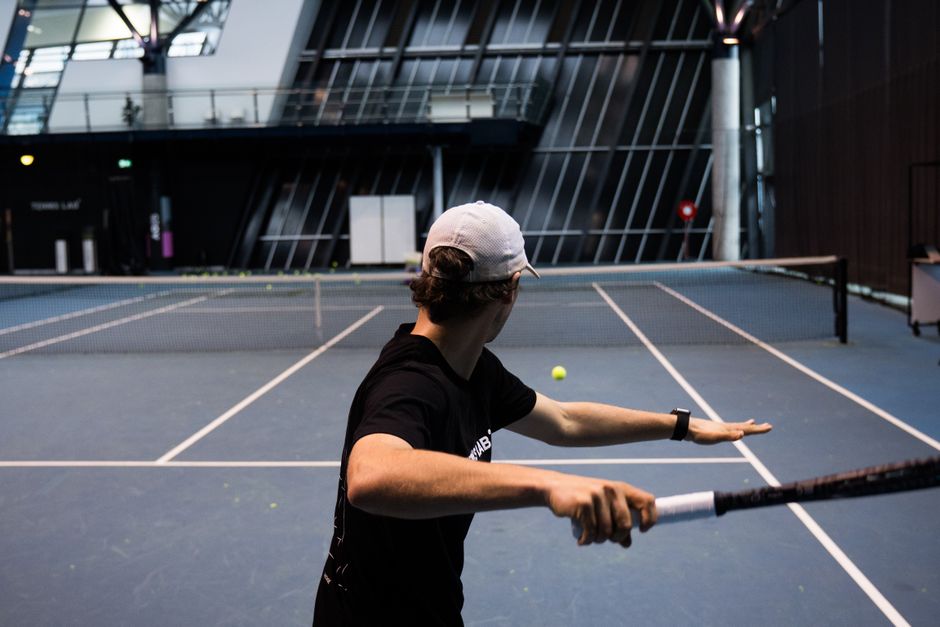
Walk past the oval on Greenhill Road on any Saturday morning and you'll see it: clusters of families, the smell of fresh-cut grass, and the unmistakable energy of a community that's discovered something valuable. Adelaide's recreational sports clubs are experiencing a renaissance, with membership across amateur leagues climbing steadily as locals recognise that participation in grassroots sport offers something increasingly rare—genuine connection.
Data from the Adelaide Sports Council shows that amateur club membership across football, cricket, netball, and basketball has grown by approximately 22 per cent over the past three years. That surge reflects a broader shift in how residents view sport: not as something to watch, but as something to do together.
The Payneham District Football Club, nestled near the heart of the eastern suburbs, now boasts over 400 registered players across its junior and senior divisions. Administrator feedback consistently highlights the same phenomenon: families aren't just signing up kids; they're volunteering as scorekeepers, coaches, and canteen helpers. The club's modest facilities on Payneham Road have become a genuine social hub, with Friday night training sessions drawing three generations of the same families.
Across the city, the economics are modest but sustainable. Annual membership fees typically range from $80 to $150 for juniors and $120 to $200 for adults, with additional minor costs for uniforms and equipment. For many households in Adelaide's western and southern suburbs, it's an accessible investment in their children's health and development.
"What we're seeing is people craving structured, regular social interaction," explains one Unley netball coordinator. "Post-pandemic, clubs became essential infrastructure. We're not just teaching basketball skills at Norwood courts—we're creating spaces where single parents, migrant families, and retirees can belong."
The diversity within these clubs tells its own story. Teams in Walkerville and Prospect now reflect Adelaide's increasingly multicultural population, with participation from families across different cultural backgrounds discovering common ground through sport. Several clubs report that their volunteer waitlists have grown faster than their playing rosters.
These aren't high-profile organisations making headlines. They're the backbone of suburban Adelaide—the Grange basketball club, the North Adelaide cricket association, the countless netball teams using council ovals across the city. Yet their collective impact is profound. They're reducing social isolation, improving physical health, and creating the kind of informal governance structures that make neighbourhoods function better.
As Adelaide continues to grow, these grassroots institutions deserve recognition not as quaint local traditions, but as essential infrastructure for community resilience and wellbeing.
This article was compiled by AI from the sources linked above and screened before publishing. See our editorial standards.
Spread the word
About this article
Published by The Daily Adelaide
Your take
Daily brief
Free, in your inbox before 7am. Weekdays.
More from Adelaide