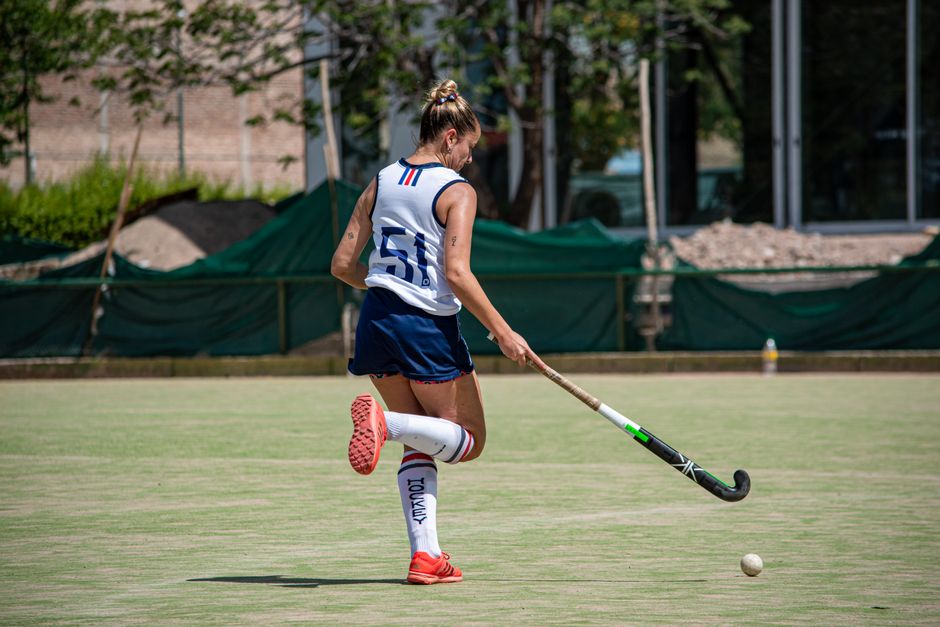
As Australia's World Cup exit sparks fresh debate about the nation's football pipeline, a ground-level look at Adelaide's youth sport venues reveals a patchwork of aging facilities struggling to keep pace with surging junior participation.
More than 47,000 children are registered with community sport clubs across metropolitan Adelaide, yet the fields, courts and clubrooms serving them were largely built in the 1970s and '80s. The gap between demand and infrastructure has become impossible to ignore.
The timing is pointed. Australia's penalty-shootout loss to Egypt in the FIFA World Cup last 32 on Friday has reignited the perennial conversation about where the next generation of Socceroos actually learns to play — and whether the physical spaces available to them are good enough. The answer, for much of Adelaide's southern and northern suburbs, is bluntly: no.
Sport SA's 2025 Community Sport Infrastructure Audit, released in December, found that 61 per cent of council-managed sporting grounds in the greater Adelaide area require capital works costing more than $50,000 to meet current safety and accessibility standards. The average clubroom in the survey was 38 years old.
Where the Problems Are Sharpest
Flinders Park in Adelaide's inner west illustrates the contradiction neatly. The suburb hosts three junior football codes and a junior cricket association, yet the main oval on Military Road is shared between Western Districts Football Club's under-12 through under-18 squads and two soccer programs run through Football Federation South Australia. On winter Saturdays, six teams can be waiting for field time before 9 a.m. Wet weather closures, which plagued the 2024 season with eleven consecutive weeks of cancellations, push games into Monday evenings that many families cannot attend.
Further north, the Pooraka Sports Hub on Philip Highway is one of the newer facilities in the portfolio — a $4.2 million state and council co-funded project opened in October 2023. It offers LED-lit synthetic turf, accessible changerooms meeting the 2022 national standard, and a covered spectator area. Junior clubs based there, including the Salisbury United Soccer Club and the Northern Tigers Basketball Association, report that registration numbers have grown by roughly 22 per cent since the hub opened. The contrast with older sites is stark and deliberate: planners used Pooraka as a proof-of-concept for what targeted spending can achieve.
The City of Charles Sturt, which covers suburbs including Hindmarsh, Woodville and Henley Beach, allocated $3.8 million in its 2025–26 capital budget specifically for junior sport facility upgrades, the largest single-year commitment to that category in the council's history. Works scheduled to start in August include resurfacing the main courts at the Woodville-West Torrens Community Recreation Centre on Hanson Road and replacing the failing drainage system beneath Thebarton Oval's training paddock. Without drainage rectification, the Thebarton site routinely closes between June and August — the heart of winter competition.
What the Gap Actually Costs Families
Infrastructure shortfalls don't stay abstract. When a club has to hire external venues to make up for an unusable home ground, the cost flows directly into registration fees. Football clubs in Adelaide's southern suburbs — particularly those affiliated with the Southern Football League operating across Noarlunga and Morphett Vale — raised fees by an average of $65 per junior player in 2025, with committee minutes from several clubs citing venue hire as the primary driver.
The state government's Active Club Grants program, administered through Office for Recreation, Sport and Racing, offered a total of $2.1 million in round-one 2026 funding, with applications closing on 31 July. Grants range from $5,000 to $50,000 and are explicitly targeted at volunteer-run clubs upgrading or repairing physical assets. Clubs operating from aging council leases at sites like Glenelg Oval's northern reserve and the Edwardstown Recreation Ground have been encouraged by their peak bodies to apply.
Volunteer administrators running junior programs should pull their council's asset management plan — most are now publicly available on council websites — to identify whether their ground is classified for upgrade in the next three years. If it isn't, the Active Club Grants application, due 31 July, is the most direct lever available before next season's registrations open in September. The Pooraka model shows the return is real. The question is whether enough councils and state agencies move fast enough to replicate it.
Partner Content
Promoted
Brought to you by an Adelaide partner
Reach engaged Adelaide readers with sponsored stories
Tell your story in long form alongside trusted local journalism. Native placements run for seven days across the homepage and a dedicated article URL, with a clear “Promoted” label and full editorial production support.