Adelaide's Coworking Boom: The Money Pouring Into the Future of Work
Venture capital, property developers and state government programs are all betting big on flexible workspaces — and Adelaide's scene is attracting serious dollars.
Venture capital, property developers and state government programs are all betting big on flexible workspaces — and Adelaide's scene is attracting serious dollars.
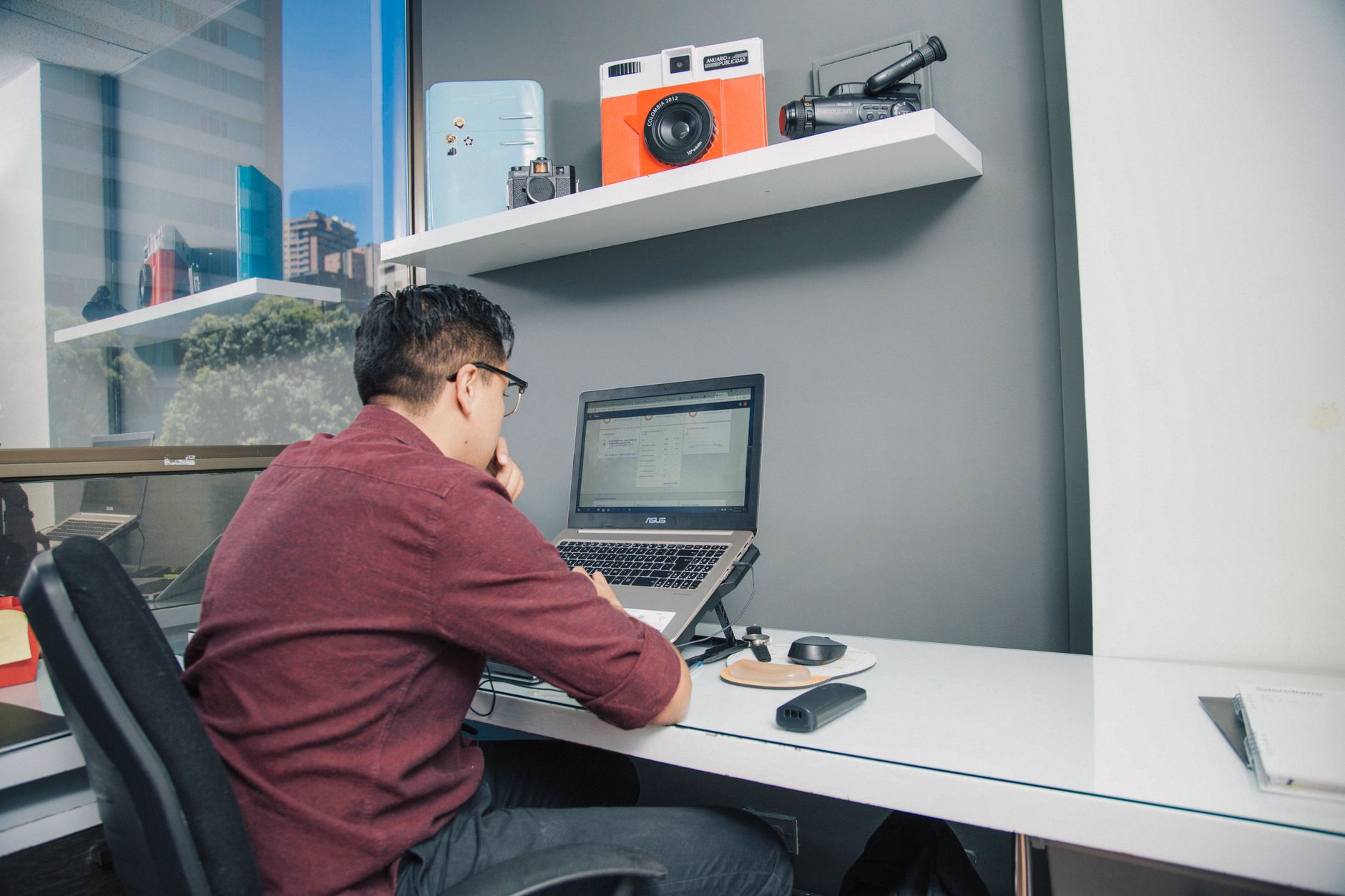
Coworking operators across Adelaide secured more than $14 million in combined investment, lease expansions and government grants in the first half of 2026, according to figures compiled from South Australian business registry filings and state budget documents — a sign that flexible work is no longer a pandemic hangover but a structural shift with real money behind it.
The timing matters. With hybrid work now the dominant arrangement for roughly 58 percent of white-collar workers nationally, according to the Australian Bureau of Statistics' February 2026 labour force supplement, landlords and investors who once sat on the fence are committing capital. The question for Adelaide has shifted from whether the coworking market will survive to which operators will own it.
Hub Australia, which operates its Adelaide location on Pirie Street in the CBD, confirmed in June that it received a $4.2 million injection from its parent entity to expand its South Australian floor space by late 2026. The expansion will add roughly 180 desks and three new meeting suites across two additional floors of the building. Meanwhile, Majoran, the not-for-profit tech hub anchored on Peel Street, secured a $780,000 grant through the South Australian Department for Industry, Science and Resources' Startup Ecosystem Fund — money earmarked for infrastructure upgrades and a new resident program for founders relocating from interstate.
Property group Renewal SA is also a factor. Its Lot Fourteen precinct on North Terrace, already home to the Australian Space Agency and Stone & Chalk's Adelaide node, has attracted three new flexible workspace tenants since January, with combined lease values the agency values at approximately $2.1 million annually. Smaller operators are moving into adjacent suburbs: a new 60-desk fitout opened on Hutt Street in April under the Good Space brand, pricing hot-desks at $35 per day — undercutting CBD rivals by around 20 percent.
The arithmetic has changed. Fixed commercial leases in the Adelaide CBD fell to a median vacancy rate of 14.3 percent in the March 2026 quarter, per Property Council of Australia data, giving coworking operators genuine negotiating leverage with building owners for the first time in years. Lower base rents improve unit economics dramatically for a sector that spent much of 2022 and 2023 bleeding cash.
Private investors have noticed. Two Adelaide-based family offices — neither willing to be named before formal announcements — are understood to be in due diligence on separate coworking assets in the inner suburbs of Norwood and Bowden, neighbourhoods where the demographic mix of freelancers, startup founders and remote employees of interstate firms is densest. Bowden in particular, with its $500 million urban renewal corridor along Port Road, is increasingly the suburb developers cite when talking about where knowledge workers actually want to be.
The Chevy Silverado EV problem — pouring engineering resources into a product the market isn't ready to absorb — haunts some corners of this sector too. Several operators who launched during the 2020-21 remote work surge overbuilt in the wrong locations, and at least two Adelaide coworking brands quietly wound up their leases in 2025. The survivors learned to be specific: verticals like legal tech, defence contractors with security-cleared meeting rooms, and creative studios are proving stickier than generic open-plan desks.
For businesses and individuals trying to navigate the options, the practical picture is sharper than it looks. Daily hot-desk rates in the Adelaide CBD now run from $35 at Hutt Street up to $65 at premium operators near Victoria Square. Dedicated desks on monthly plans average around $480, and private offices for teams of four to six typically start at $2,200 a month. Any operator worth considering should be able to show you internet speeds, after-hours access terms and what happens to your data security when you share a network — questions that feel more urgent given recent reporting on mobile surveillance vulnerabilities affecting professionals globally. Book a trial day before signing anything longer than a month.
Partner Content
PromotedTell your story in long form alongside trusted local journalism. Native placements run for seven days across the homepage and a dedicated article URL, with a clear “Promoted” label and full editorial production support.
Enquire about partner contentSpread the word
About this article
Published by The Daily Adelaide
Your take
Daily brief
Free, in your inbox before 7am. Weekdays.
More from Adelaide


