The science behind mindfulness: what it actually does to the brain
Adelaide’s surge in meditation groups and new neuroscience research explain how mindfulness is changing minds—and brainwaves.
Adelaide’s surge in meditation groups and new neuroscience research explain how mindfulness is changing minds—and brainwaves.
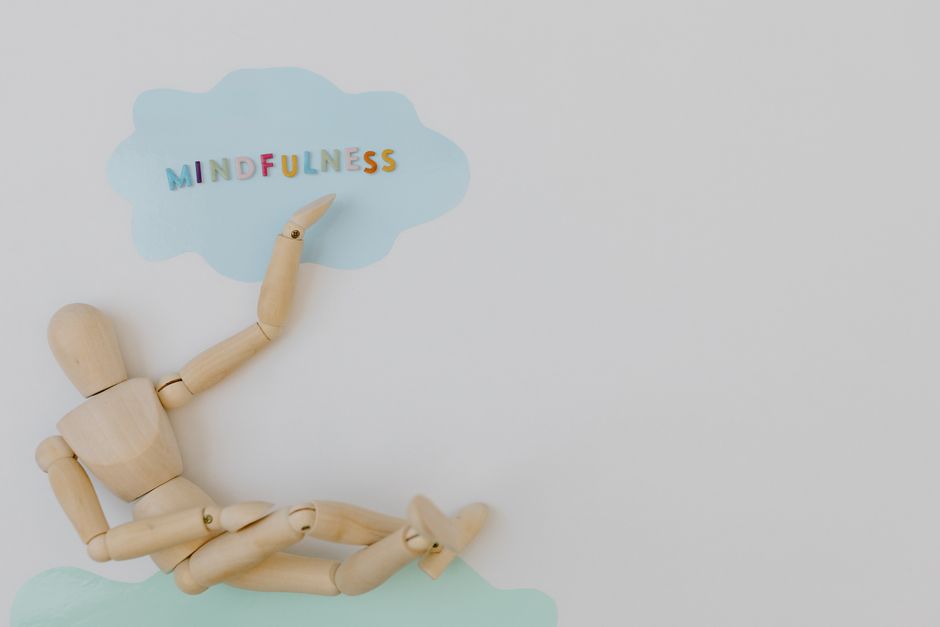
Adelaide has seen a wave of new meditation groups and mindfulness classes over the past year, but what really happens inside the brain when someone sits in silence and focuses on their breath? Mounting scientific evidence reveals that mindfulness—far from being just a trendy wellness buzzword—physically rewires the brain, with effects visible on both MRI scans and in daily life.
The South Australian capital, battling rising levels of stress and disrupted sleep after June’s unseasonal heatwaves, is embracing mindfulness not just as a fashionable pastime but as a survival skill. Adelaide’s unusually warm weather, with nighttime minimums this June not dropping below 9°C for more than 10 days straight according to the Bureau of Meteorology, has fuelled citywide conversations around everything from insomnia to burnout. With many residents calling Glenelg Beach their de facto wellness escape, mindfulness and meditation groups have started surfacing everywhere from Jetty Road studios to city-run programs at Victoria Square/Tarntanyangga.
This matters: neuroscientists and psychologists argue that meditation isn’t simply calming—it’s reshaping the physical structure of the brain. A landmark study published in Psychiatry Research: Neuroimaging found that after just eight weeks of mindfulness meditation, participants showed growth in the hippocampus (the area linked with memory and emotion regulation), while the amygdala (which processes stress and fear) actually shrank. "People report feeling calmer, but the scans show reductions in the brain's reaction to stress triggers—they’re not imagining it," said Dr Amanda Collings, who leads brain imaging studies at SAHMRI on North Terrace.
Packed Saturday mornings at the Botanic Gardens parkrun now often include a pre-jog guided breathing session run by Inner Balance Adelaide, a group that saw their attendance more than double to 70 participants weekly since late 2025. Down at Central Market, urban wellness studio Stillpoint Meditate on Gouger Street has introduced lunchtime “neuro-mindfulness” sessions priced at $16, attracting traders and office workers who claim they simply focus better after a guided body scan. Even the Eastern Suburbs: Burnside Library’s Mindful Mondays is booked out weeks in advance.
Tech is bringing mindfulness deeper into everyday life statewide: Flinders University’s Mind in Motion Lab has just begun recruiting 40 Adelaide residents for a brainwave-tracking meditation pilot, using EEG headbands to measure how guided mindfulness sessions alter neuronal activity. According to lead PhD researcher Lily Morris, early data shows sessions at the Linear Park trail—against the low drone of the River Torrens—can boost alpha wave activity by as much as 22% compared to sessions indoors, correlating with greater calm and focus.
Mindfulness is not just about feeling less frazzled. Meta-analyses from Monash University in 2025 found an average 31% reduction in self-reported stress scores among adults practising mindfulness at least three times per week for two months. In Adelaide, Flinders University’s 2023 cohort revealed that students participating in the Mindful Uni Project saw a 24% drop in exam-related anxiety measures during semester, compared to a control group. Meanwhile, a report released last month by Wellbeing SA notes demand for subsidised meditation classes jumped 44% statewide over a single 12-month period.
At the neural level, researchers at SAHMRI say the amygdala’s reduced reactivity persists for weeks after finishing a structured mindfulness program—a key factor in why stress and reactivity decrease over time for regular meditators. "You're building up a buffer in your nervous system," says project lead Dr. Collings.
For those tempted to try mindfulness, Adelaide offers dozens of low-cost and free paths. Linear Park yoga classes (Wednesday evenings near Hackney Road, $10 drop-in), guided lunchtime sessions at Stillpoint Meditate, or resources at local libraries are just a start. Three local health funds—including Health Partners based on Currie Street—now reimburse up to $100 each year for approved mindfulness courses. Neuroscience is showing that minds can change with simple practices—and it’s never been easier to join the city’s mindful movement. Of course, anyone considering changes to their mental health routine should consult a medical professional for personal advice.
Partner Content
PromotedTell your story in long form alongside trusted local journalism. Native placements run for seven days across the homepage and a dedicated article URL, with a clear “Promoted” label and full editorial production support.
Enquire about partner contentSpread the word
About this article
Published by The Daily Adelaide
Your take
Daily brief
Free, in your inbox before 7am. Weekdays.
More from Adelaide