Screen time and sleep: what the research actually shows
As South Australians juggle late-night scrolling and the lure of constant connectivity, fresh research reveals a direct link between device habits and sleep quality.
As South Australians juggle late-night scrolling and the lure of constant connectivity, fresh research reveals a direct link between device habits and sleep quality.
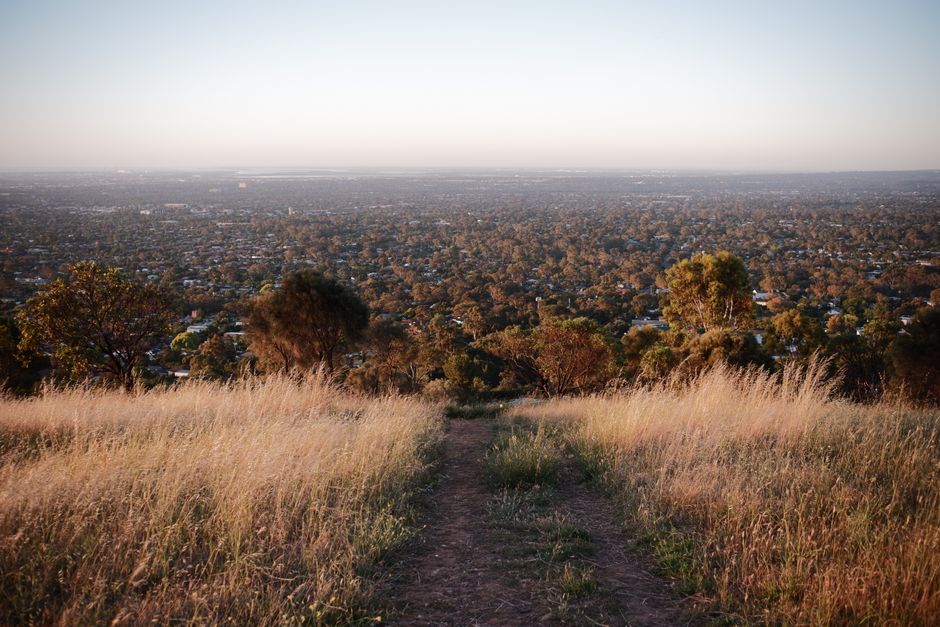
Blue-lit screens glow well into the night in thousands of Adelaide homes. The evidence is stacking up: more screen time means less – and worse – sleep. A new survey by Flinders University, released this week, reports more than 60% of adults in metropolitan Adelaide use a phone or tablet within 30 minutes before bed—and nearly half notice trouble drifting off.
Why does this matter now? School holidays and winter evenings have seen locals flocking to Netflix, TikTok, and late-night group chats. Sleep clinics at Royal Adelaide Hospital have recorded a steady rise in referrals for both teens and adults complaining of insomnia and early morning grogginess linked to device use. University Square’s cafes fill early with bleary-eyed lawyers and IT staff swapping stories of 2am doom-scrolling.
Norwood’s phone-free Pilates classes, held at peak rush hour on The Parade, offer locals a rare digital detox. Meanwhile, the Botanic Gardens parkrun organisers have begun highlighting the links between quality sleep and 8am parkrun performance in their event newsletters. At the other end of the city, Morialta Conservation Park rangers report a boom in pre-dawn hikers chasing uninterrupted REM cycles and a tech-free wakeup. "People are literally hiking to escape their phones and sleep better," says a local parks guide.
Data from SA Health reveals that people spending two or more hours on screens after 8pm report up to 75 minutes less sleep, on average, than those who switch off earlier. A 2025 study published in the Medical Journal of Australia specifically named smartphone use after 10pm as a key disruptor for Adelaide’s under-30s. In the city’s eastern suburbs, the average 17-year-old now clocks 7 hours of sleep—well below the national adolescent guideline of 8 to 10 hours nightly.
Experts at the Adelaide Institute for Sleep Health recommend dimming screens after sunset, setting a "digital sunset" alarm on devices, and swapping doom-scrolls for a walk down Henley Beach Road or a lap of Victoria Park. For parents battling the TikTok bedtime wars, several primary schools in Unley and Prospect have added "screen sense" tips to newsletters, encouraging families to keep devices out of bedrooms. Meanwhile, phone-free Friday nights at the Adelaide Central Market have launched, offering board games and live music—and a rare chance for tech-free relaxation before bed.
Bottom line: a little less phone time at night could mean a lot more energy for Long Table lunch at Central Market, Saturday’s park run, or simply staying awake through your morning coffee on Rundle Street. For personal sleep issues or persistent insomnia, consult your local GP or a certified sleep clinic in Adelaide’s medical precincts.
Partner Content
PromotedTell your story in long form alongside trusted local journalism. Native placements run for seven days across the homepage and a dedicated article URL, with a clear “Promoted” label and full editorial production support.
Enquire about partner contentSpread the word
About this article
Published by The Daily Adelaide
Your take
Daily brief
Free, in your inbox before 7am. Weekdays.
More from Adelaide