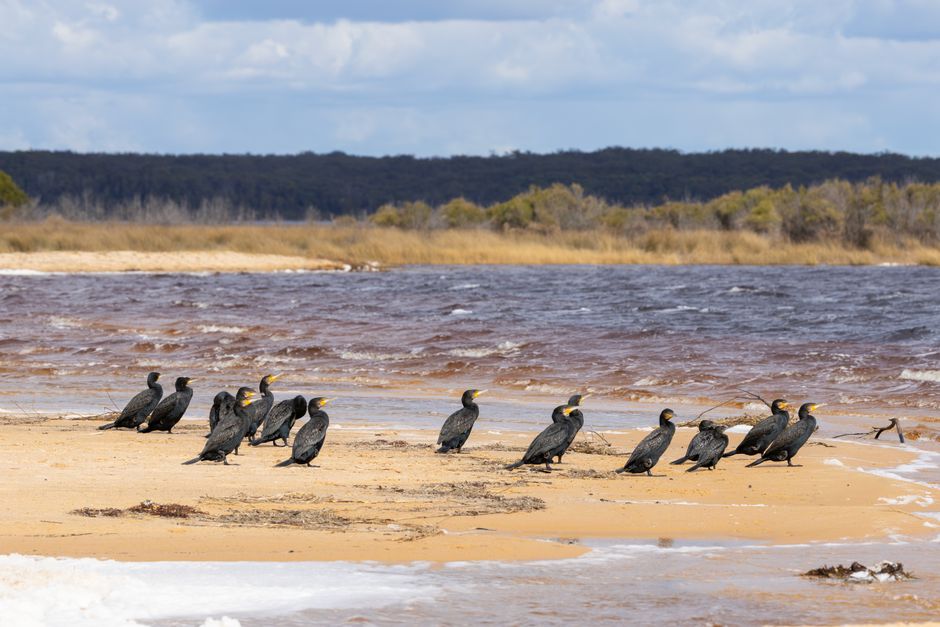
South Australia has confirmed its first case of deadly H5N1 bird flu, detected in a migratory petrel, prompting urgent preparedness among wildlife rescue groups.
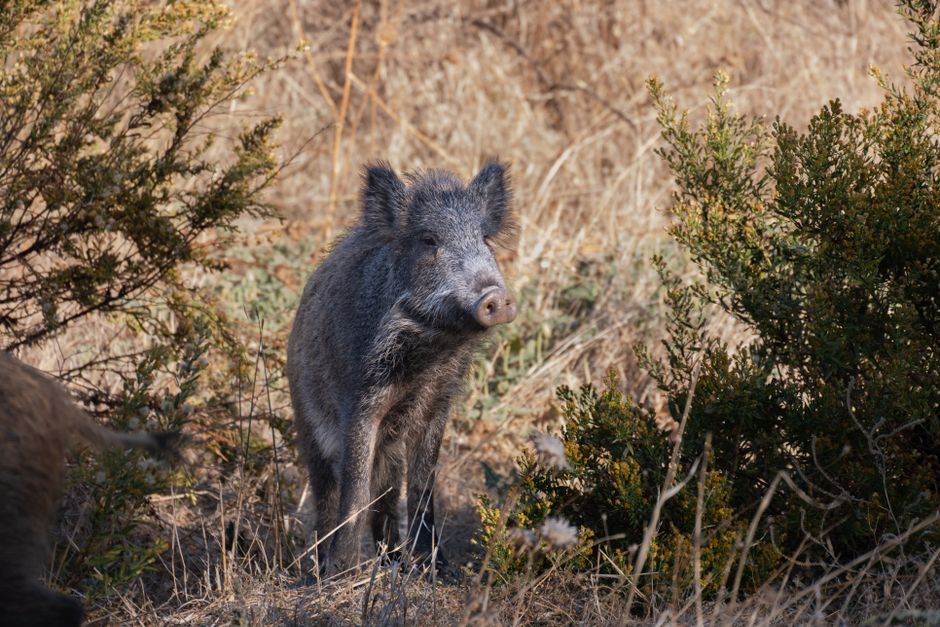
South Australia's Kangaroo Island has become the world's largest island to successfully eradicate feral pigs, a success built on the aftermath of devastating bushfires.
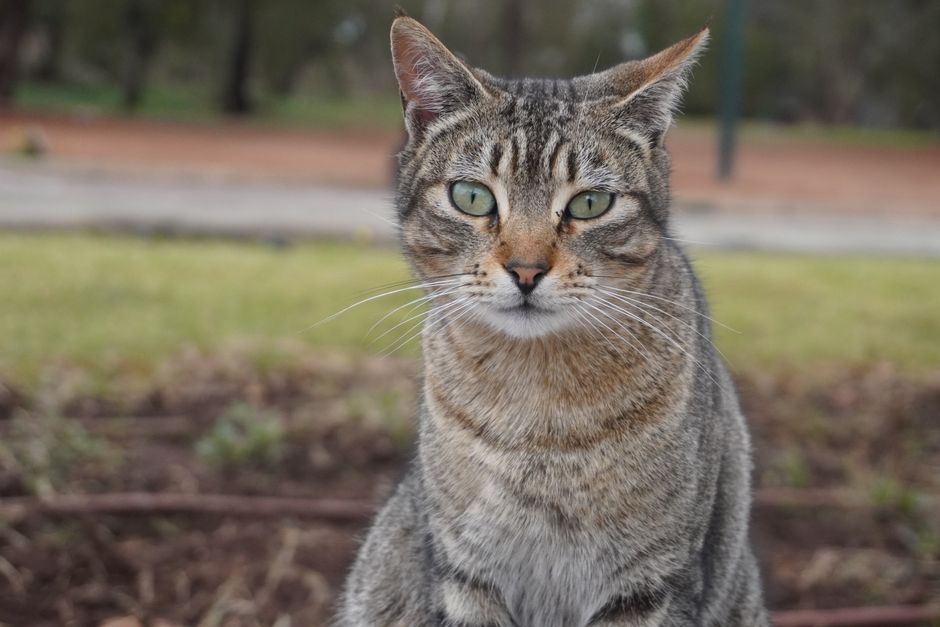
Flinders University joins international effort to raise awareness of toxoplasmosis, a parasite infecting one-third of the world's population with potential eye health risks.
Detection of bird flu in South Australia has forced wildlife rescuers to turn away injured birds, raising concerns about care gaps as the outbreak risk grows.
As avian influenza is detected in South Australia, wildlife rescue organisations are struggling to cope with the crisis as local vets withdraw services for sick wild birds.
A new study from Flinders University highlights the growing need to recognise and resource the thousands of South Australians providing free palliative care to loved ones.
Animal welfare organisations are grappling with the implications of bird flu detection as vets announce they can no longer safely accept sick or injured wild birds.
Scientists warn that toxoplasmosis, which affects a third of the world's population, can cause sight-damaging eye infections that are poorly understood globally.
As bird flu spreads on the southern coast, wildlife rescuers say veterinary services need help to handle a potential surge in sick and injured wild birds.
South Australian researchers have identified key priorities for supporting unpaid carers in end-of-life care, pointing to wider recognition gaps that affect thousands of Adelaide families.