Cost of Living in Adelaide 2026: A Full Breakdown of What You Will Actually Spend
What does it really cost to live in Adelaide in 2026? Housing, groceries, transport and lifestyle costs broken down.
What does it really cost to live in Adelaide in 2026? Housing, groceries, transport and lifestyle costs broken down.
Housing is the single largest cost for most Adelaide households, and in 2026 it consumes a significant but not yet Sydney-level proportion of household income. Renters in the inner and middle suburbs can expect to pay $380 to $430 per week for a one-bedroom apartment, $480 to $560 per week for a two-bedroom unit or small house, and $560 to $680 per week for a three-bedroom family home in an established suburb. Outer suburban areas remain considerably more affordable, with three-bedroom homes available from $420 to $500 per week in the northern and southern growth corridors. For buyers, those who purchased two or three years ago are now navigating mortgage repayments on loans sized against higher property prices; a $700,000 mortgage at a variable rate of around 6.2 per cent over 30 years generates a repayment of approximately $4,280 per month or $990 per week. Buyers with a $500,000 mortgage face repayments of around $3,060 per month, which remains achievable on two incomes and positions Adelaide as significantly more accessible than Sydney or Melbourne for aspiring home owners.
Beyond housing, the weekly cost of living in Adelaide for a couple in 2026 is generally manageable by Australian capital city standards. Grocery spending for a couple eating at home most nights and cooking from scratch typically ranges from $150 to $250 per week, depending on dietary choices and shopping habits; buying from the Central Market or suburban fruit and vegetable markets rather than premium supermarkets can reduce this meaningfully. Household utilities including electricity, gas, and water average $80 to $150 per month depending on the season, home size, and energy efficiency of the dwelling. South Australia has historically carried above-average electricity prices by national standards, making solar panels with battery storage a financially rational investment for Adelaide home owners. Internet and mobile phone costs for a couple typically amount to $60 to $80 per month for broadband and $60 to $120 per month for two mobile phone plans, depending on data allowances and whether you shop around for deals.
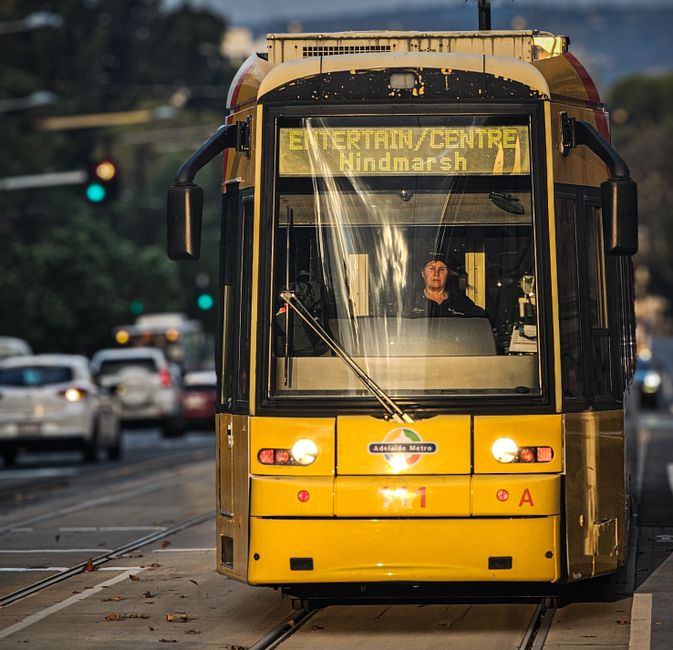
Transport in Adelaide is a significant cost consideration, and the city's relatively low-density urban form means that most households outside the inner suburbs rely on private vehicles for the majority of their daily travel. Running a single car in Adelaide in 2026, factoring in petrol at approximately $1.95 to $2.20 per litre, registration costs of around $800 to $1,200 per year depending on vehicle value, and comprehensive insurance typically $1,200 to $2,000 per year for a mid-range vehicle, amounts to roughly $4,500 to $7,000 per year in fixed and variable vehicle costs excluding loan repayments. Public transport via the Adelaide Metro network, which covers buses, trains, and the Glenelg tram, costs $3.57 per trip or around $51.60 per week for regular commuters on a Metrocard at 2026 rates, representing genuine savings for those living near transit corridors. Cycling is a practical and economical option for inner-city residents, with Adelaide's relatively flat topography and expanding bike lane network making it an increasingly viable commuting choice.
When lifestyle spending is factored in, Adelaide's total cost of living compares favourably with Australia's east coast capitals. A mid-range restaurant dinner for two in Adelaide, including a glass of wine each, costs approximately $100 to $160, meaningfully less than an equivalent experience in Sydney or Melbourne. A domestic return airfare to Sydney or Melbourne from Adelaide typically ranges from $180 to $380 depending on lead time and carrier, while a return flight to Perth is generally $250 to $450. Entertainment including streaming services, gym membership, and occasional cinema visits adds roughly $150 to $250 per month for a typical couple. Adding all these categories together, a couple renting a two-bedroom home in an established Adelaide suburb and living a comfortable but not extravagant lifestyle can expect total monthly expenditure, excluding savings and investment, of approximately $5,500 to $7,500. By comparison, the same lifestyle in Sydney would cost an estimated $7,000 to $10,000 or more per month, confirming Adelaide's genuine and meaningful affordability advantage as a place to live well in 2026.
This article was compiled by AI from the sources linked above and screened before publishing. See our editorial standards.
Spread the word
About this article
Published by The Daily Adelaide
Your take
Daily brief
Free, in your inbox before 7am. Weekdays.
More from Adelaide