Adelaide's Cycling Ambitions: Building the Bike City
South Australia's capital is investing in cycling infrastructure at a pace that is changing how residents move.
South Australia's capital is investing in cycling infrastructure at a pace that is changing how residents move.
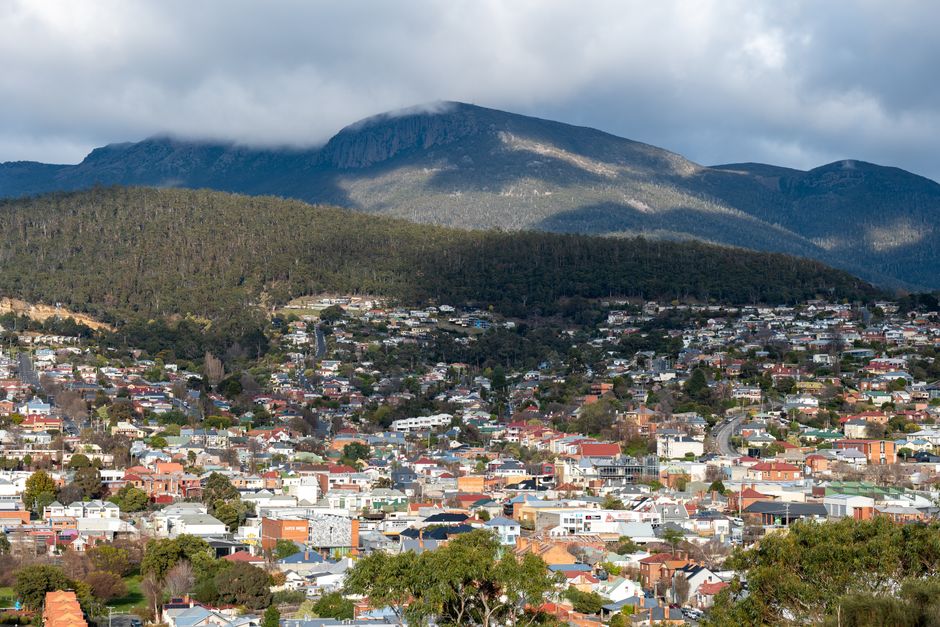
Adelaide has invested in cycling infrastructure more consistently than most comparable Australian cities, building a network of separated bike lanes, shared paths, and bicycle-priority streets that allows experienced and novice cyclists alike to navigate significant portions of the metropolitan area without sharing road space with motor vehicles. The flat topography of the inner suburbs provides conditions that minimise the physical barriers to cycling adoption that hillier cities face.
The Frome Road cycle lane, one of the most politically contentious infrastructure decisions in the city's recent history, demonstrated both the latent demand for quality cycling infrastructure and the resistance that road space reallocation generates from vehicle users accustomed to unrestricted access. Patronage data from the lane consistently showed utilisation that exceeded projections, validating the investment over the objections of detractors.
Linear Park along the Torrens River provides the most popular recreational cycling corridor in the metropolitan area, running from the hills face zone through the city centre to the coast and providing a continuous protected path that families, commuters, and recreational cyclists share. The path's development over several decades into a multi-use trail with regular access points and supporting facilities reflects sustained investment from successive state and local governments.
Cycling policy in Adelaide has been complicated by the division of infrastructure responsibility between the State Government, which controls main roads, and the City of Adelaide and suburban councils, which control local streets. Achieving the network connectivity that makes cycling viable requires coordination across these jurisdictions that has been slow to produce the seamless network that cycling advocates argue is necessary for mainstream adoption.
This article was compiled by AI from the sources linked above and screened before publishing. See our editorial standards.
Spread the word
About this article
Published by The Daily Adelaide
Your take
Daily brief
Free, in your inbox before 7am. Weekdays.
More from Adelaide