Rundle Street and the East End: Adelaide's Dining and Nightlife Capital
The strip from the CBD to the East End Village defines Adelaide's food and social culture.
The strip from the CBD to the East End Village defines Adelaide's food and social culture.
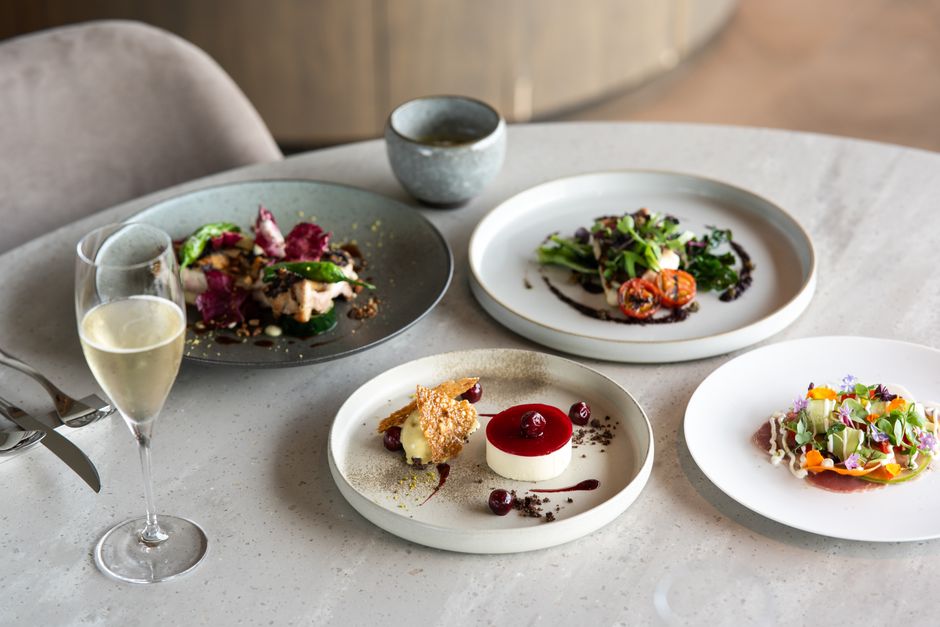
Rundle Street, the main entertainment and dining thoroughfare that extends from the Adelaide CBD east through the Hutt Street precinct to the East End Village, provides Adelaide with the primary outdoor dining and social strip that the Mediterranean climate, the wide footpaths, and the concentration of cafes, restaurants, and bars make the social centre of the city's nightlife and weekend food culture. The strip's character, shaped by the mixture of the heritage buildings that Adelaide's conservation-minded planning has preserved alongside the newer development that the restaurant and bar investment has created in the gaps, provides the architectural variety and the food diversity that sustain the Rundle Street experience as the definitive Adelaide dining experience for the resident and the visitor.
The East End Village, the precinct of fine dining restaurants, wine bars, and the delicatessen culture that has concentrated at the eastern end of Rundle Street and in the surrounding laneways, provides the premium food destination that the Adelaide food community uses for the special occasion dinner and the wine lover's cellar door equivalent in the urban context. The restaurants of the East End, including the venues that the established Adelaide chefs have built their reputations from and the newer openings that the Adelaide food scene's development has created, deliver the quality that Adelaide's position as a food and wine destination requires and that the comparison with Melbourne and Sydney that the sophisticated Adelaide food lover makes is increasingly satisfied by the local alternatives.
The Grenfell Street laneway precinct, the network of laneways adjacent to Rundle Street that the bar and small restaurant culture of the laneway dining phenomenon has activated with the intimate venues that the narrow lanes and the repurposed storage spaces create, provides the alternative to the main strip's more visible establishments for the bar-goer who prefers the discovery of the hidden venue over the convenience of the main street location. The laneway culture's development in Adelaide, later than the Melbourne equivalent but now well established as a feature of the inner city entertainment geography, demonstrates the spread of the laneway bar format that urban exploration and the social media sharing of the hidden venue locations sustain.
The Hentley Farm and the other premium South Australian wine labels whose bottles appear on the wine lists of the East End's best restaurants connect the dining experience directly to the wine regions that make Adelaide the food and wine capital of Australia in the most literal sense, the best wines of the Barossa, Eden Valley, McLaren Vale, and the Clare Valley appearing on the menus of the restaurants that the food culture the wine country creates and sustains. The sommelier culture that the wine diversity of the South Australian wine regions makes possible in the Adelaide restaurant sustains the wine service standard that the discerning Adelaide diner expects and that the less wine-rich regional cities of comparable size cannot match.
This article was compiled by AI from the sources linked above and screened before publishing. See our editorial standards.
Spread the word
About this article
Published by The Daily Adelaide
Your take
Daily brief
Free, in your inbox before 7am. Weekdays.
More from Adelaide