As geopolitical friction roils the Middle East and Asia, Adelaide exporters and importers face new tariffs, shipping delays and supply chain uncertainties that are already hitting the bottom line.
The diplomatic standoff between the US and Iran, combined with Pakistani military activity in the region, isn't just international news—it's reshaping how Adelaide businesses move goods across the world and what they pay to do it.
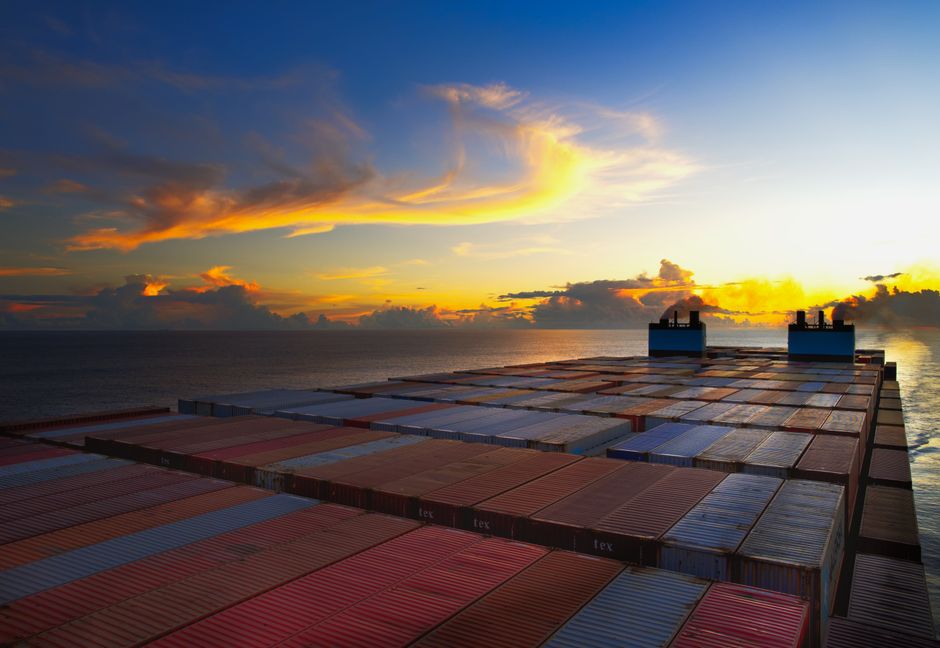
For companies operating out of the Port Adelaide precinct, the ripple effects are immediate and measurable. Container shipping rates through the Strait of Hormuz have spiked by up to 18 per cent in recent weeks, according to maritime logistics operators. That's the artery through which roughly 30 per cent of Adelaide's seafood exports—valued at over $800 million annually—must pass to reach markets in the Middle East and Europe.
"We're seeing lead times blow out by two to three weeks," says one logistics manager at a North Terrace–based shipping firm, speaking on condition of anonymity. "Insurers are adding premiums, and some carriers are simply avoiding certain routes."
The impact isn't confined to the waterfront. Adelaide's wine exporters—who shipped $290 million worth of product last year—are grappling with currency volatility as investors flee emerging markets. The Australian dollar has swung 4.2 per cent against the US dollar in the past fortnight alone, squeezing margins on Barossa Valley producers selling into North American and Asian distributors.
Meanwhile, manufacturers in the advanced industries sector clustered around Tonsley Park are facing their own pressures. Supply chains for electronics components and precision engineering parts are increasingly fraying, with lead times from Southeast Asian suppliers stretching from eight weeks to twelve. One local automotive parts supplier reports that raw material costs have risen 7 per cent since May, directly traceable to geopolitical risk premiums embedded in commodity prices.
The uncertainty is also affecting Adelaide's services sector. Professional firms in the CBD—from legal practices to accountancy businesses—are fielding urgent calls from clients seeking guidance on sanctions exposure, supply chain diversification and currency hedging strategies.
Business SA, the state's peak employer body, has quietly escalated its engagement with government on trade policy, signalling that members are increasingly anxious about external shocks. The Chamber of Commerce is urging local enterprises to stress-test their international operations and build resilience into procurement strategies.
For Adelaide's business community, the lesson is stark: in a globally integrated economy, what happens in Tehran or Islamabad doesn't stay there. It arrives on the docks at Port Adelaide, sits in shipping containers, and ultimately affects quarterly results and employment decisions across the state.
This article was compiled by AI from the sources linked above and screened before publishing. See our editorial standards.