Adelaide House vs Unit Prices: The Growing Market Gap
Adelaide's property divide widens as houses hold $720k median while units drop. Discover how interest rates reshape buying power across Prospect, Norwood and beyond.
Adelaide's property divide widens as houses hold $720k median while units drop. Discover how interest rates reshape buying power across Prospect, Norwood and beyond.
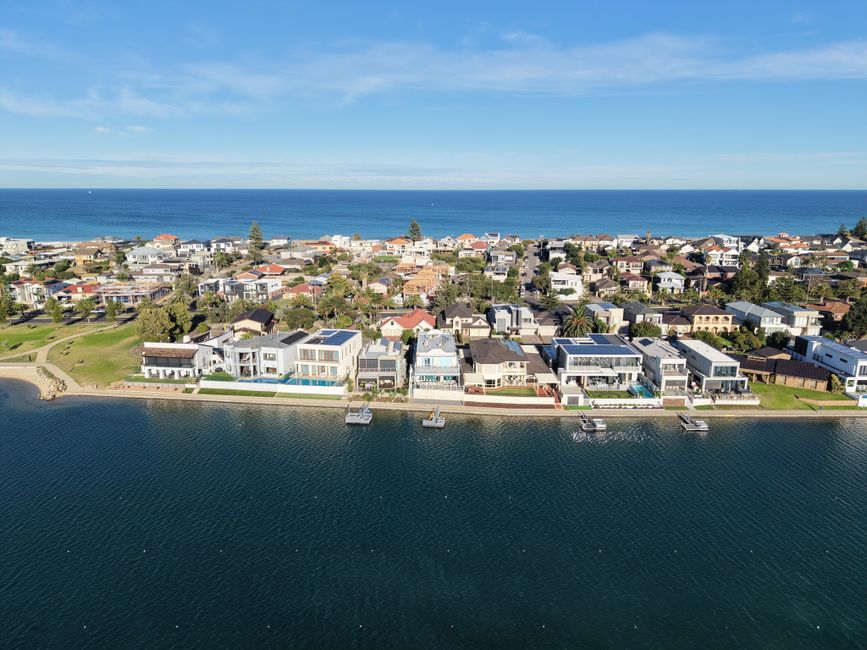
Adelaide's reputation as Australia's most accessible capital is being tested by an unlikely culprit: the growing split between house and unit prices.
While detached homes across the metropolitan area have held firm around the $720,000 median—buoyed by strong demand from families and investors alike—units have quietly become even cheaper, creating a divergence that's redrawing the city's investment map.
The trend is most pronounced in Adelaide's established corridors. In Prospect and nearby Norwood, where Victorian terraces and solid brick homes command premiums reflecting their character and proximity to The Parade's cafes and services, detached properties have moved ahead. Meanwhile, apartment complexes in the same postcodes, particularly those built in the early 2000s, are struggling to keep pace. A two-bedroom unit on The Parade might now sit $80,000 to $120,000 below an equivalent-sized house ten minutes' walk away.
The North-East expansion zones tell a different story. New greenfield estates around Tea Tree Plaza and the developing precincts beyond present a more balanced picture, where townhouses and modest apartments track closer together. Yet even here, first-home buyers are noticeably gravitating toward house-and-land packages over units, shifting demand curves that were once more fluid.
Several forces are colliding. Rising interest rates have made serviceability calculations sharper for borrowers, and the per-square-metre cost of a detached home with land often compares favourably to units when factoring in strata fees and body corporate levies. Simultaneously, new apartment supply—including the no-short-stay restrictions now affecting some CBD developments—has cooled investor enthusiasm for units, the traditional demand driver.
For renters and first-home buyers, the divergence presents opportunity and peril in equal measure. A couple saving $80,000 might stretch into a small house on the edges of suburbs like Broadview or Edwardstown. But within walking distance of Rundle Mall or the East End markets, apartments now offer unprecedented value, even as their price growth stalls.
Agents report shifting buyer profiles. Families once content with unit living in established suburbs are now chasing detached homes further out. Downsizers, conversely, are finding unit prices align better with their equity release goals than they expected.
The question for Adelaide's market over the next 12 months isn't whether houses or units will rebound faster—it's whether this divergence signals a permanent recalibration of how the city's housing stock is valued, or a temporary distortion that tightening credit will eventually iron out.
This article was compiled by AI and screened before publishing. See our editorial standards.
Partner Content
PromotedTell your story in long form alongside trusted local journalism. Native placements run for seven days across the homepage and a dedicated article URL, with a clear “Promoted” label and full editorial production support.
Enquire about partner contentSpread the word
About this article
Published by The Daily Adelaide
Your take
Daily brief
Free, in your inbox before 7am. Weekdays.
More from Adelaide