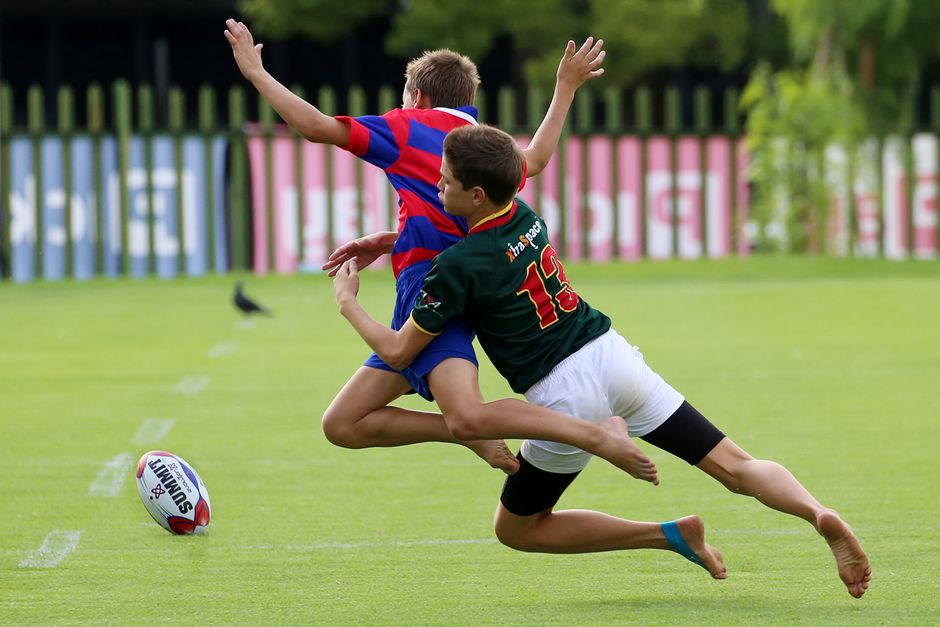
As interest in football surges across South Australia, local clubs are leveraging their ground-level presence to create lasting bonds between players, families and neighbours.
Walk through any Adelaide park on a weekend morning and you'll witness the quiet revolution reshaping the city's sporting landscape. From Torrens Parade Ground to Princes Park in Wayville, football clubs are no longer just places where matches happen—they've become the social anchors of their communities.
The growth is measurable. South Australia's football participation rates have climbed 34 per cent over the past three seasons, with junior membership across metropolitan clubs reaching an estimated 8,500 players. But the real story isn't in the statistics; it's in the neighbourhoods themselves.
Adelaide City Football Club, operating from their base near the Torrens River precinct, has expanded beyond match days to host weekly training clinics, school holiday programs and family social events. Their community arm now runs twice-weekly drop-in sessions open to residents of all ages, charging just $5 per session. The club reports that 60 per cent of participants come from non-English speaking backgrounds, reflecting the increasingly multicultural character of inner Adelaide.
Similar patterns emerge across the suburbs. Marino United, anchored in their South Adelaide home, has invested in floodlit pitches and recently launched a women's and girls-only training program that now boasts over 200 registrations. The club's partnership with local primary schools means football development begins early, with dedicated coaching delivered to Year 3 and 4 students at five surrounding institutions.
What distinguishes this moment is intentionality. Club administrators recognize that thriving organisations do more than win matches—they address isolation, foster belonging and create economic opportunity. Several clubs have formalized partnerships with mental health organisations, offering subsidized memberships to residents experiencing financial hardship. Norwood Soccer Club's recent initiative provides free kit and registration for families earning below the state median income.
The infrastructure investment reflects confidence. Over the past 18 months, Adelaide clubs have collectively upgraded facilities with improved changerooms, expanded covered seating, and better drainage systems. These aren't glamorous upgrades, but they signal permanence and respect for the communities that sustain them.
Perhaps most tellingly, club leadership increasingly reflects the diversity of their neighbourhoods. Recent committee appointments include representatives from Italian, Greek, Arab and East African communities—a shift that acknowledges football's role as a genuine civic institution rather than simply a recreational activity.
As Adelaide's population grows and neighbourhoods evolve, football clubs are proving themselves indispensable. They're places where belonging happens, where kids learn teamwork, and where adults find connection. That's worth celebrating.
This article was compiled by AI from the sources linked above and screened before publishing. See our editorial standards.