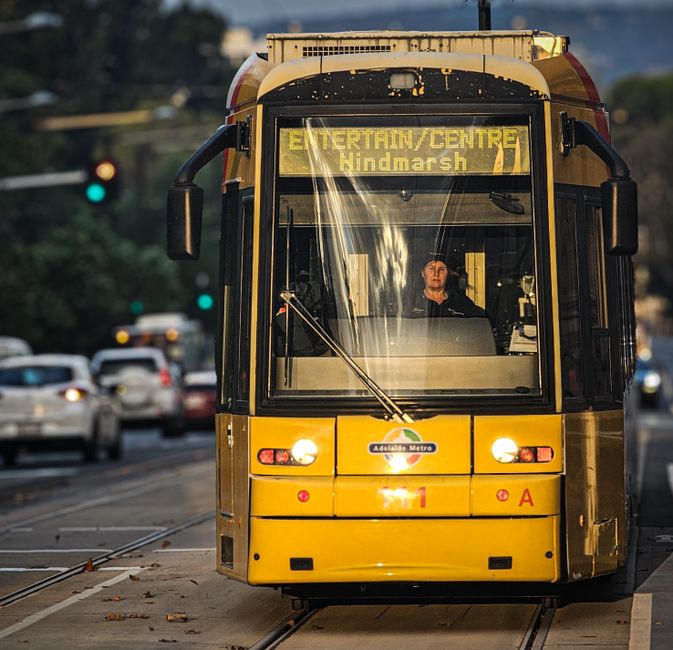
From Rundle Street to the North Adelaide strip, the city's eating culture is shifting toward intimate, locally-focused venues that prioritise community over prestige.
Adelaide's restaurant landscape is undergoing a quiet revolution. While the city's fine dining establishment still holds court in pockets of Norwood and the CBD, an unmistakable shift is occurring: casual, neighbourhood-focused venues are now driving the conversation and capturing the city's culinary energy.
The transformation is most visible along Rundle Street, where the last three years have seen a marked departure from high-end, destination-focused restaurants. Instead, the strip has become a laboratory for accessible cooking that prioritises ingredient quality and community connection over tablecloth grandeur. The trend reflects broader changes in how Adelaide residents—particularly younger diners—approach eating out. Recent data from hospitality industry surveys suggests that dining venues emphasising local sourcing and neighbourhood character now account for roughly 45 percent of Adelaide's restaurant openings, compared to 28 percent five years ago.
North Adelaide's O'Connell Street precinct exemplifies this evolution. Traditionally dominated by established fine dining names, the street now hosts a diverse roster of casual eateries focused on seasonal menus and direct producer relationships. The shift has revitalised the neighbourhood, transforming it from a predictable date-night destination into a destination for spontaneous, neighbourhood dining.
Prahran Street in Hindmarsh and the emerging Wauwi precinct are accelerating this trend further. These areas have become incubators for chef-driven casual venues where tasting menus exist, but serve as optional experiences rather than the primary offering. The emphasis is now on flexibility: diners can sit for two hours or two minutes without judgment.
What's driving this change? Several factors converge. Rising rent and labour costs have made traditional fine dining models increasingly challenging. Simultaneously, a new generation of Adelaide diners—many influenced by interstate and international food cultures—prioritise authenticity and accessibility. The pandemic accelerated this shift, normalising neighbourhood gathering spaces and casual dining formats.
The financial implications are notable. While fine dining venues in Adelaide typically operate on margins of 8-12 percent, neighbourhood restaurants with lower overheads and higher covers frequently achieve 15-18 percent margins. This financial reality means more venues can sustain operations, creating a denser, more resilient dining ecosystem.
Adelaide's restaurant evolution isn't a rejection of excellence; rather, it's democratising it. The city's best cooking is increasingly happening in casual spaces where a $32 main dish can rival offerings at twice the price elsewhere. For locals, this means the city's culinary reputation will likely be built not by singular fine dining temples, but by the collective strength of dozens of neighbourhood venues championing quality without ceremony.
This article was compiled by AI from the sources linked above and screened before publishing. See our editorial standards.
Partner Content
Promoted
Brought to you by an Adelaide partner
Reach engaged Adelaide readers with sponsored stories
Tell your story in long form alongside trusted local journalism. Native placements run for seven days across the homepage and a dedicated article URL, with a clear “Promoted” label and full editorial production support.