Moving to Adelaide? Here's What Locals Actually Want You to Know
Forget the tourism guides—we asked the people who've made the switch what really matters when relocating to South Australia's capital.
Forget the tourism guides—we asked the people who've made the switch what really matters when relocating to South Australia's capital.
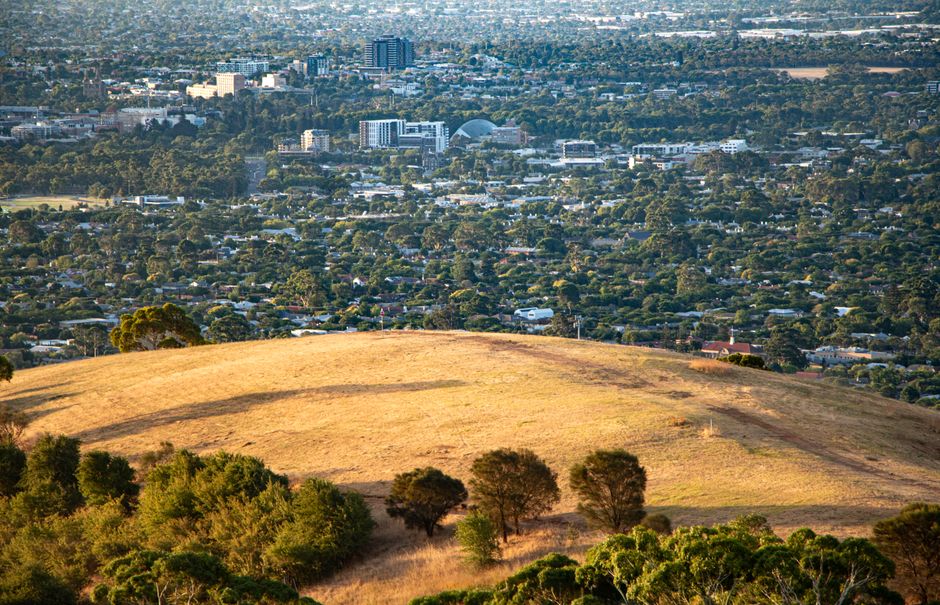
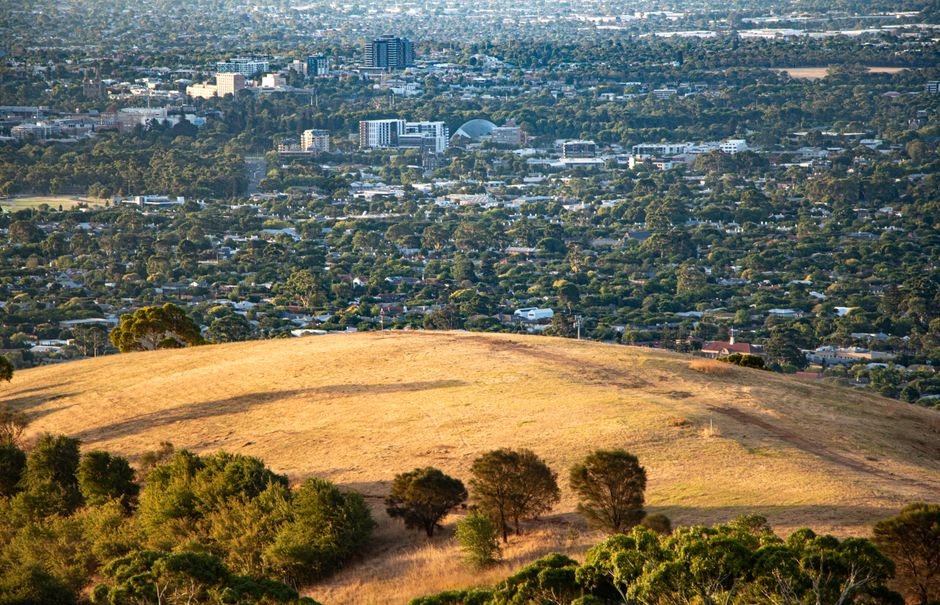
Adelaide's reputation as a liveable city is well-earned, but the reality of relocating here involves trade-offs that deserve honest discussion. We spoke with recent arrivals and long-term residents across various neighbourhoods to identify what actually matters when you're planning your move.
The neighbourhood equation
Expats consistently cite Norwood, Payneham and Unley as sweet spots—close enough to the CBD (around 4km), with solid restaurants, cafes and a genuine community feel. Expect to rent a two-bedroom house in these pockets for $1,850–$2,200 monthly. North Adelaide offers similar amenities with slightly higher rents. Those seeking affordability without sacrificing character often head to Prospect or Hackney, though the commute becomes a factor. The West End and inner-city apartments near King William Street appeal to younger professionals, though Adelaide's compact nature means nowhere feels truly far.
Work and cost of living realities
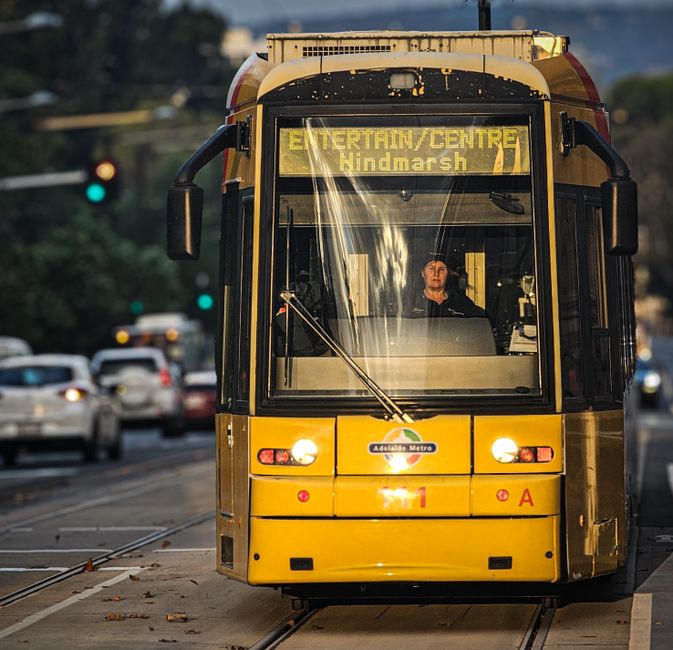
Adelaide's job market is quieter than Melbourne or Sydney. Healthcare, defence, wine industry, and education dominate employment sectors. Salaries typically run 8–12% below eastern capitals for equivalent roles. Groceries and dining cost slightly less than Melbourne, though petrol hovers around $1.90 per litre. Public transport via Adelaide Metro covers most areas adequately, but a car becomes essential for weekend exploring or outer suburbs.
The social landscape
Networking happens through genuine community engagement rather than formal expat groups. Locals recommend joining local sporting clubs, volunteering through organisations like Volunteering SA&NT, or simply becoming a regular at neighbourhood venues. Rundle Street and O'Connell Street are hubs for this organic connection-building. Adelaide's wine region (just 45 minutes away) doubles as a natural social outlet.
What catches people off-guard
The heat—Adelaide regularly hits 40°C in summer, and air conditioning isn't universal in older rental stock. Builders Hill floods during heavy rain. Summer's bushfire season genuinely affects air quality. Winter is mild but damp. The city closes early compared to eastern capitals; many venues shut by midnight. Cultural offerings are excellent but smaller in scale.
The honest assessment
Relocating to Adelaide works brilliantly if you value lifestyle over career acceleration, community over anonymity, and affordability over cosmopolitan bustle. It's ideal for families, remote workers, or professionals in growth sectors. Less ideal if you require constant cultural stimulation, extensive job mobility, or a booming nightlife scene. Most who thrive here embrace its deliberate pace rather than fight it.
This article was compiled by AI from the sources linked above and screened before publishing. See our editorial standards.
Partner Content
PromotedTell your story in long form alongside trusted local journalism. Native placements run for seven days across the homepage and a dedicated article URL, with a clear “Promoted” label and full editorial production support.
Enquire about partner contentSpread the word
About this article
Published by The Daily Adelaide
Your take
Daily brief
Free, in your inbox before 7am. Weekdays.
More from Adelaide