From gridlock to glide: how Adelaide's transport revolution is winning back commuters
A decade of upgrades to trams, buses and cycling infrastructure has transformed how locals move through the city—and they're ditching their cars in record numbers.
A decade of upgrades to trams, buses and cycling infrastructure has transformed how locals move through the city—and they're ditching their cars in record numbers.
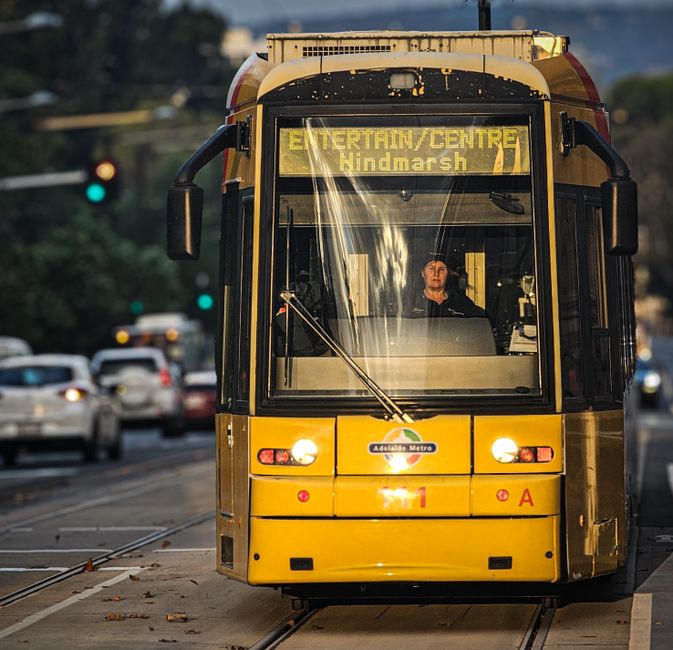
Sarah Chen used to spend 45 minutes crawling along King William Road twice a day. Today, she boards a tram at Unley Park and reaches the CBD in 12 minutes flat. She's one of thousands rediscovering Adelaide's commute, thanks to a transport overhaul that's reshaping how the city moves.
The numbers tell the story. Tram patronage across the free zone—which now extends further than ever before—has climbed 22 per cent since the expanded network launched three years ago. Bus frequencies on key routes like the O-Bahn corridor have doubled, slashing wait times from 15 to eight minutes during peak hours. And cycling infrastructure investments have been staggering: more than 80 kilometres of new dedicated bike lanes now thread through suburbs from Port Adelaide to Glenelg.
What's changed isn't just infrastructure. It's attitude. The completion of the Morphettville Precinct transport hub last year created a genuine interchange—not just a stop—where trams, buses and bike-share stations converge with café culture. Locals now treat it as a destination, not a transit point.
"People are realising they can actually leave the car at home," says transport advocate Emma Whitmore, who tracks Adelaide's commuting patterns. "When your trip from North Adelaide to Rundle Mall takes the same time by tram as by car, and costs a fraction of the petrol, the choice becomes obvious."
The real game-changer has been reliability. New real-time tracking systems mean commuters can see exactly where their tram or bus is, eliminating the anxiety of uncertainty. Combined with integrated ticketing across all modes—a single card works on trams, buses, and the O-Bahn—getting around feels seamless for the first time.
Parking pressures have helped too. CBD parking now averages $18 per day, pushing commuters toward the $4.50 daily cap for unlimited public transport. The economics favour the change.
Neighbourhoods themselves have benefited. Hindley Street's night-time economy has surged as people without designated drivers feel safer using late-night tram services. Local shops on Wauwi Street in Burnside have reported increased foot traffic from tram passengers. The Glenelg tram, always popular, now carries families treating the journey itself as weekend entertainment.
Adelaide's not unique in pursuing these upgrades, but the city's compact size means the impact lands differently. When you can genuinely reduce your commute stress while helping the environment, the decision feels personal—not political.
For Chen, the shift means reclaiming an hour of her day. For Adelaide's planners, it means a city that moves smarter. For everyone else, it simply means getting where they're going, without the frustration.
This article was compiled by AI from the sources linked above and screened before publishing. See our editorial standards.
Partner Content
PromotedTell your story in long form alongside trusted local journalism. Native placements run for seven days across the homepage and a dedicated article URL, with a clear “Promoted” label and full editorial production support.
Enquire about partner contentSpread the word
About this article
Published by The Daily Adelaide
Your take
Daily brief
Free, in your inbox before 7am. Weekdays.
More from Adelaide