Adelaide Council Decisions 2024: Three Major Votes
Adelaide council faces three critical July 2024 decisions on transport, housing and Riverbank development that will shape the city's next decade.
Adelaide council faces three critical July 2024 decisions on transport, housing and Riverbank development that will shape the city's next decade.
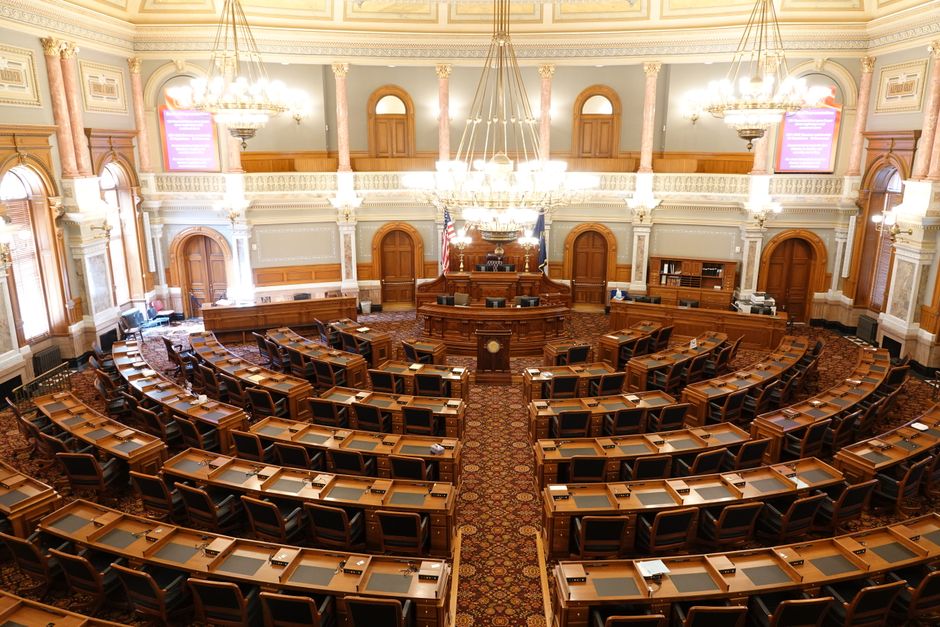
Adelaide's local government enters a defining phase this July, with three major decisions set to reshape the city's trajectory through 2030. The outcomes will determine whether the council delivers on election promises or faces a credibility crisis ahead of 2028 polling day.
The most immediate pressure point centres on the North-South Corridor transport strategy. Council officers have flagged a July 15 decision point on whether to proceed with preliminary designs for enhanced bus rapid transit along King William Road and Greenhill Road, or pivot toward a lighter-touch bike and pedestrian upgrade. The choice carries a $240 million price tag differential and will define connectivity between the CBD and suburbs including Unley, Burnside and Norwood for the next decade.
Equally contentious is the Housing Intensification Review, due for council debate on July 22. Pressure is mounting to allow four-storey apartment blocks in established neighbourhoods without mandatory heritage overlays—a move welcomed by developers but fiercely opposed by residents' groups across Parkside, Wayville and North Adelaide. The outcome will either unlock thousands of new dwellings or entrench Adelaide's chronic housing shortage.
The third flashpoint involves the Riverbank Precinct Master Plan. A $180 million redevelopment of the Elder Park area, including new cultural facilities and mixed-use development, requires sign-off by August 1 to unlock state government co-funding. Council must decide whether to prioritise commercial viability—which planners suggest requires 35 per cent private development—or protect green space that residents consistently rank as essential to liveability. The decision carries implications for the Adelaide Oval precinct and future waterfront activation.
Beyond these headline items, council faces quieter but significant choices. The annual budget review, scheduled for mid-July, will reveal whether rate rises stay within inflation or climb beyond community tolerance. Finance staff have flagged potential 4.8 per cent increases if council doesn't defer discretionary spending on streetscape improvements across Rundle Mall and Wauwi (King William Street).
Councillors face genuine trade-offs rather than simple yes-no propositions. Each decision involves competing community values: growth versus character preservation, investment versus affordability, public amenity versus operational sustainability.
The Adelaide City Council's track record on delivery—particularly following delays on the Botanic Gardens restoration project and the stalled Gouger Street activation—means these decisions will be scrutinised closely. Community consultation periods open this week, with submissions closing July 8. What council chooses next month will echo through Adelaide's neighbourhoods well into the next decade.
This article was compiled by AI from the sources linked above and screened before publishing. See our editorial standards.
Spread the word
About this article
Published by The Daily Adelaide
Your take
Daily brief
Free, in your inbox before 7am. Weekdays.
More from Adelaide