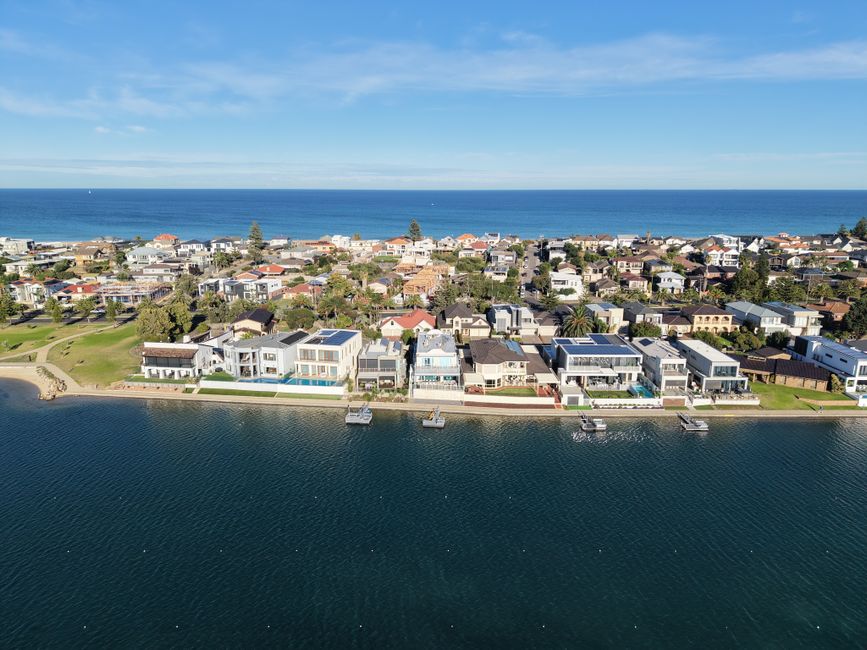
Community members in inner-city suburbs voice frustration over rapid gentrification and development decisions that are reshaping Adelaide's residential landscape.
As Adelaide's planning authority prepares to unveil sweeping changes to zoning regulations, residents across inner suburbs are raising alarm about affordability and neighbourhood character, with many expressing concern they may soon be unable to afford homes in the areas where they've lived for decades.
The South Australian Housing Authority's proposed reforms—expected to streamline development approvals and enable higher-density housing in established neighbourhoods—have sparked heated debate among residents and community groups across Unley, Norwood, and Prospect.
Data from local real estate agencies shows median house prices in Norwood have surged 34 per cent over the past three years, from $745,000 to $998,000. Similar trajectories are evident in neighbouring Malvern and Parkside, where investment developers are increasingly acquiring older residential properties for multi-unit redevelopment.
At a community forum organised by the Unley Residents Association at the Paul Harris Reserve community hall last month, local homeowners and renters shared mounting concerns about losing established neighbourhoods to rapid densification. Many highlighted the tension between Adelaide's need for additional housing stock and the lived experience of long-term residents watching their suburbs transform.
"We're not opposed to development, but we want a say in how our streets change," said one Prospect resident, reflecting a common sentiment among attendees. Community groups have emphasised the importance of adequate consultation, improved traffic management plans, and protection of green spaces during any transition.
The Adelaide City Council has committed to further community engagement sessions across suburbs including Croydon Park, Kensington, and Kent Town before finalising new development guidelines. The Council's planning committee is scheduled to present recommendations to elected members in August.
Local advocates have called for provisions protecting existing rental properties and mandatory affordable housing quotas in new developments, citing examples from Melbourne and Brisbane where such measures have helped balance growth with accessibility.
Renters in particular have expressed anxiety. Adelaide's rental vacancy rate stands at just 0.8 per cent, the lowest in five years, while median rents have climbed nearly 18 per cent annually in some suburbs.
While the state government emphasises the urgency of unlocking housing supply to address Adelaide's growing population, residents are pushing back, demanding that planning reform deliver not just more homes, but accessible, community-sensitive development.
The coming months will reveal whether policymakers can forge a path satisfying both growth imperatives and community expectations.
This article was compiled by AI from the sources linked above and screened before publishing. See our editorial standards.